Tree removal in Fitzrovia
If you need tree removal in Fitzrovia, you’re likely dealing with more than a simple garden job. In this part of central London, trees often sit close to buildings, pavements, shared courtyards, basements, mews properties, office entrances, and narrow access routes. That means safe removal needs the right planning, the right equipment, and a crew that understands local conditions.
Whether a tree has become unsafe, outgrown its space, is blocking light, is causing root-related concerns, or needs to be cleared for building work, a local service can help you handle it efficiently and with minimum disruption. This page explains what’s included, how the process works, and why choosing a team familiar with Fitzrovia can make the whole job smoother from start to finish.
We work with residential and commercial customers across the area, supporting everything from private courtyards and shared gardens to managed blocks, offices, schools, and hospitality premises. If you are comparing options for tree removal Fitzrovia, you’ll find useful practical detail below to help you make a confident decision and request a quote with clarity.
Why tree removal is often needed in Fitzrovia

Fitzrovia has a distinctive mix of period terraces, converted flats, mansion blocks, mews homes, office buildings, and commercial premises. Trees in this setting can add value and character, but they can also become difficult when they outgrow the space available or begin affecting surrounding structures. In an area with limited external space, even a modest tree can create a disproportionate amount of work if it is too close to walls, windows, boundary fences, or underground services.
Tree removal in Fitzrovia is often requested for a practical reason rather than an aesthetic one. Common situations include a tree leaning after strong winds, decayed stems, blocked light in lower-floor flats, invasive roots lifting paving, dead branches hanging over walkways, and trees interfering with renovation or waterproofing work. In built-up streets, these concerns can affect both safety and day-to-day use of the property.
Local knowledge matters because access can be tight. Side streets, controlled parking zones, basement entrances, and shared access lanes can all shape how a tree is removed. A good local team will plan around these realities so the work is carried out in a way that respects neighbours, business operations, and the practical limits of the site.
What our tree removal service includes

Tree removal should never be treated as a one-step task. A proper service is organised around safety, clearance, and leaving the site in a usable condition. When you book tree removal Fitzrovia support, you can typically expect an initial assessment, a removal plan suited to the tree and the access available, controlled dismantling if needed, branch and trunk sectioning, and waste collection once the job is complete.
In many Fitzrovia properties, trees cannot simply be felled in one piece. Instead, they may need to be dismantled gradually from the top down, with sections lowered carefully to avoid damage to buildings, glass, railings, garden features, or nearby planting. This is particularly important where the tree sits in a small rear yard, an enclosed courtyard, or alongside a shared boundary.
The service may also include stump-related advice. Some customers want the stump removed fully so the ground can be replanted or paved. Others prefer a stump to be left at a manageable height for future landscaping. Either way, it is useful to discuss the end goal early so the work is completed in a way that matches the property’s plans.
How the process works
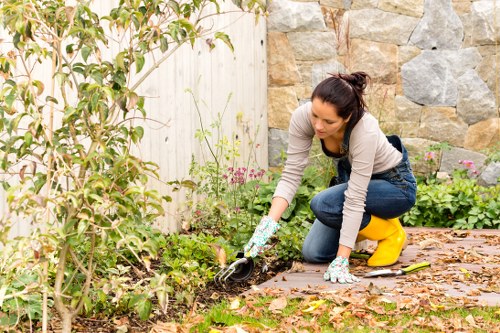
The best way to approach tree removal in Fitzrovia is with a clear, step-by-step process. First comes the site assessment, where the tree, surrounding structures, access routes, and likely risks are reviewed. This stage helps identify whether the tree needs full removal, partial dismantling, or additional precautions such as temporary protection for paving or adjacent surfaces.
Next comes scheduling and preparation. In central London, timing can be important because of parking availability, loading restrictions, neighbour access, and business opening hours. A local team will plan the visit to reduce disruption and make sure the work is carried out at a practical time for the property. If the job is for a commercial building, this can also mean working around deliveries, customers, or staff movement.
On the day, the tree removal itself is carried out using the right method for the site. Larger trees may require climbing and sectional dismantling. Smaller trees may be removed more directly if conditions are suitable. Once the main tree has been taken down, the team will clear the cut material, leave the site tidy, and confirm any next steps, such as stump grinding or follow-up landscaping.
Signs a tree may need removing
Not every tree problem means removal is necessary, but there are certain warning signs that should be taken seriously. If you notice a tree leaning noticeably, shedding large limbs, showing extensive dieback, or developing cracks around the trunk or base, it is sensible to arrange an inspection. In a dense area like Fitzrovia, a small issue can become a bigger hazard faster than in a more open location.
Other signs include mushrooms or fungal growth around the base, heaving soil, damaged roots, repeated branch failures, or a canopy that has become too close to the building façade. For homeowners, landlords, and managing agents, these indicators can matter not just for safety, but for insurance, maintenance, and tenant or visitor wellbeing.
If a tree is affecting daylight, damaging paving, obstructing signage, or making maintenance difficult, removal may also be the most practical option. A local specialist can explain whether removal is the right solution or whether pruning, crown reduction, or root management might address the issue first.
When urgent removal may be required
Some situations call for faster action. For example, a tree that has failed after high winds, is blocking access, is hanging over a shared path, or has split in a way that makes collapse more likely may need urgent attention. In those cases, the aim is to make the area safe quickly and then decide whether full removal or staged dismantling is the best route.
If you are dealing with an unsafe tree, it is worth acting promptly rather than waiting for the problem to worsen. Contact us today to arrange an assessment and discuss the safest next step for your Fitzrovia property.
Residential tree removal for Fitzrovia homes
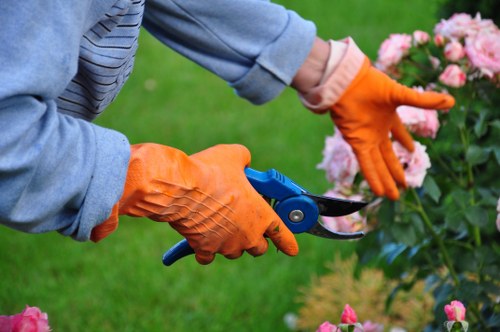
Fitzrovia’s residential properties often have limited outdoor space, which can make tree work more delicate. Private courtyards, small gardens, roof-level planting areas, and shared communal spaces all require careful handling. When a tree becomes too large, too unstable, or simply unsuitable for the site, removal can restore light, improve access, and reduce the ongoing pressure on surrounding structures.
Homeowners may request removal because a tree is affecting a patio, dropping debris into a garden, lifting paving, or crowding an outdoor area that needs to be usable. Landlords and property managers may also need the work done to address tenant concerns or to keep communal spaces safe and well maintained. In a built-up area, it is often easier and more cost-effective to remove an unsuitable tree before it causes damage that is more complicated to resolve later.
For households, the most valued part of the service is often the reassurance that the work will be handled cleanly and respectfully. That includes protecting nearby surfaces where possible, managing noise and waste sensibly, and completing the job with minimal disturbance to neighbouring homes.
Commercial tree removal for offices and premises
Commercial customers in Fitzrovia may need tree removal for very different reasons. Offices, restaurants, cafes, hotels, studios, schools, healthcare settings, and managed buildings all have different access needs and risk profiles. A tree that interferes with a frontage, signage, outdoor seating, loading access, or the appearance of an entrance can become a practical concern as well as a visual one.
In commercial settings, timing and coordination matter. The work may need to fit around trading hours, staff movement, customers, tenants, or scheduled deliveries. A locally experienced team can help reduce disruption by planning the job carefully and communicating clearly about site conditions, parking requirements, and the likely duration of the work.
For managing agents and facilities teams, it is useful to have a service that can handle both one-off removals and follow-up work such as stump grinding, clearance of fallen material, or advice on suitable replacement planting. That keeps the site manageable and helps ensure the outdoor space remains safe and presentable.
Local access, parking, and site conditions

One of the biggest reasons to choose a local team for tree removal in Fitzrovia is familiarity with central London site conditions. Parking is rarely simple, access can be narrow, and there may be restrictions on where equipment and vehicles can stop. Some properties have shared entrances, basement routes, or limited rear access, while others are situated on roads where timing is critical to avoid busy periods.
These practical details affect not just convenience, but safety and efficiency. A crew that understands how to plan around tight access can reduce delays and protect adjacent property. This is especially valuable in areas with high foot traffic, where careful movement of branches, trunks, and tools is essential to keep pathways and entrances clear.
It is also common in Fitzrovia for tree work to involve coordination with neighbours or building management. That may be as simple as sharing notice before the visit, or as detailed as planning around access to communal gardens and service yards. The more complex the property layout, the more useful it is to work with people who are used to central London logistics.
Benefits of professional tree removal
Removing a tree is not only about taking something away. Done properly, it can improve safety, restore usable space, reduce recurring maintenance, and support wider property plans. When a tree is no longer suitable for its location, professional removal can help prevent problems from spreading to nearby walls, paths, fences, and planting beds.
There is also a strong peace-of-mind benefit. Unstable trees and large dead limbs can be stressful for property owners, tenants, and business operators. Knowing that the work has been assessed and carried out by a competent local team allows you to move forward with less uncertainty.
For some properties, the service also creates an opportunity to reshape the space. After tree removal, the area may be suitable for replanting, paving, improved access, drainage work, or a fresh landscaping plan. In that sense, removal can be part of a broader improvement rather than just a maintenance task.
Key advantages at a glance
- Reduces risk from unstable, diseased, or overgrown trees
- Helps protect nearby structures, paving, and underground areas
- Improves light, access, and usability of outdoor space
- Supports property maintenance and development projects
- Can be tailored to residential and commercial sites
What affects the price of tree removal?
Every tree removal job is different, so pricing depends on the facts of the site rather than a flat estimate. The main factors usually include tree size, location, access difficulty, disposal needs, whether climbing or sectional dismantling is required, and whether stump work is included. In a location like Fitzrovia, access and logistics can have a big impact because central London streets and courtyards are rarely straightforward.
The condition of the tree also matters. A healthy tree in a clear open space is generally easier to remove than a decayed tree leaning over a roof or tight boundary. If there are nearby utilities, protected surfaces, or shared areas to work around, the method may need extra care. All of this affects the time and equipment required.
When requesting a quote, it helps to share photos and as much detail as possible about the tree and site access. That makes it easier to understand what will be involved and whether any special arrangements are needed. If you need a tree removal Fitzrovia quotation, clear information at the outset often leads to a more accurate and useful assessment.
Typical cost factors
- Height, spread, and species of the tree
- How close the tree is to buildings or boundaries
- Whether the area allows easy access for tools and waste removal
- Need for traffic, pedestrian, or neighbour coordination
- Stump removal, grinding, or site clearance requirements
- Urgency and timing of the work
Preparing for tree removal
Good preparation helps the work go smoothly and keeps disruption to a minimum. If you are arranging tree removal for a home, block, or commercial property, a little planning beforehand can make a big difference on the day. You do not need to do the specialist work yourself, but it is helpful to clear the area and make sure access is ready.
For example, vehicles may need to be moved, garden furniture may need to be taken aside, and residents or staff may need to know which entrance will be used. In communal properties, it may also be sensible to inform neighbours or building managers if access to a shared space will be affected for a short period.
Where practical, it is also useful to identify any fragile items near the work area, such as planters, loose paving, decorative screens, or equipment stored outside. This helps the team protect the right areas and work efficiently.
Preparation checklist
- Clear parked cars or arrange alternative access if needed
- Move outdoor furniture, planters, and loose items away from the tree
- Share any access instructions with the team in advance
- Let building managers or neighbours know if the area is shared
- Keep children, pets, staff, and visitors away from the work zone
Why choose a local company for Fitzrovia tree work?
Choosing a local company offers real practical benefits. In Fitzrovia, local familiarity helps with access planning, timing, neighbour coordination, and understanding the kinds of properties in the area. A team that regularly works in central London is more likely to know how to approach small courtyards, managed blocks, office fronts, and mixed-use premises without unnecessary complications.
Local services are also often easier to schedule around busy streets and time-sensitive sites. If your tree needs attention before building work begins, before a tenancy changeover, or ahead of a property inspection, a nearby team may be better placed to respond quickly and work around your deadlines.
Beyond convenience, local experience can also improve judgement. Trees in built-up locations often need a more careful approach than those in open suburban spaces, especially where the work could affect neighbours, pedestrians, or adjacent structures. That local understanding can save time and reduce the risk of avoidable issues.
What a good local provider should be able to do
- Assess the tree and explain whether removal is the right option
- Plan around narrow access and central London parking challenges
- Carry out safe dismantling or removal depending on site conditions
- Clear waste responsibly and leave the area tidy
- Offer practical next steps for stump treatment or replanting
Areas covered around Fitzrovia
Customers looking for tree removal Fitzrovia often also have properties close to neighbouring central London areas. Work in this part of the city frequently extends to nearby streets and districts where similar property types and access issues are common. That can include the surroundings of Marylebone, Bloomsbury, Soho, Euston, King’s Cross, and parts of the West End depending on the site and the job required.
This wider local coverage matters because tree problems do not stop neatly at an area boundary. A managed block, office, or residential property may be positioned just outside Fitzrovia but still face the same access constraints, shared boundaries, and traffic considerations. Using a team that regularly works across the surrounding districts makes scheduling and site planning more straightforward.
If your property is within or near Fitzrovia, it is worth asking for an assessment even if the tree sits in a hard-to-reach rear yard or unusual access point. Many central London jobs are possible with the right approach, even where the layout is not especially straightforward.
Tree removal, pruning, or stump grinding: what do you need?
Sometimes tree removal is the right answer, but not always. In some cases, crown reduction, crown thinning, or selective pruning may be enough to improve light, reduce risk, or manage a tree that has become too large. If the tree is healthy and structurally sound, it may be better to preserve it rather than remove it unnecessarily.
On the other hand, if the tree is dead, badly decayed, causing structural concerns, or simply in the wrong place for the property, full removal may be the most sensible route. Stump grinding can then be considered if the ground needs to be reused or the remaining stump would be inconvenient. The right answer depends on the site, the condition of the tree, and what you want to do with the space afterwards.
A professional assessment should help you weigh up those options clearly. The aim is not to remove trees for the sake of it, but to recommend the most suitable action for safety, use, and long-term maintenance.
Questions to ask before booking
- Does the tree need full removal or could pruning solve the problem?
- Will the tree be dismantled in sections because of the access?
- Is stump grinding available if I need the area cleared?
- How will nearby surfaces and structures be protected?
- What preparation is needed before the visit?
Frequently asked questions
Do I need permission to remove a tree in Fitzrovia?
That depends on the tree’s status and location. Some trees may be protected by a Tree Preservation Order or be within a conservation area, while others may not be subject to special controls. It is important to check before work begins. A local professional can help you understand what needs to be confirmed before removal is carried out.
Can a tree be removed from a small courtyard or rear access area?
Yes, often it can. Many Fitzrovia properties have limited access, but that does not automatically prevent the work. The tree may need to be dismantled in sections and removed carefully through the available route. The site assessment will determine the safest method.
How long does tree removal usually take?
It depends on the size of the tree, the access available, and whether stump work is included. A smaller tree may be removed relatively quickly, while a larger or more awkwardly positioned tree can take considerably longer. A site visit or clear photos will help establish a realistic timescale.
Will there be much disruption to neighbours or nearby businesses?
There may be some short-term disruption from noise, movement, or temporary access management, but a well-planned job should keep this to a minimum. This is especially important in Fitzrovia, where properties can be close together and many streets are busy throughout the day. Careful scheduling and tidy working practices make a real difference.
What happens to the waste after removal?
Branches, trunk sections, and other material are normally collected and removed as part of the service. The exact level of clearance can be confirmed in advance so you know whether the site will be left fully clear or whether some material will remain for your own use.
Book your tree removal in Fitzrovia
If you have a tree that is unsafe, awkward, overgrown, or simply no longer suitable for its position, now is the time to act. The right service can help you protect your property, reduce maintenance issues, and reclaim useful outdoor space. For homes, blocks, and commercial premises alike, tree removal in Fitzrovia is best handled by a team that understands local access conditions and takes a careful, practical approach.
Whether you need a one-off removal, stump advice, or help deciding between removal and pruning, we’re ready to help you plan the next step. Request a free quote and talk through your site, your timings, and your goals. Book your service now if you want a safe, efficient solution for your Fitzrovia property.
Contact us today to arrange your assessment and take the stress out of dealing with an unwanted or unsafe tree.