Recycling and Sustainability for Tree Surgeons Fitzrovia
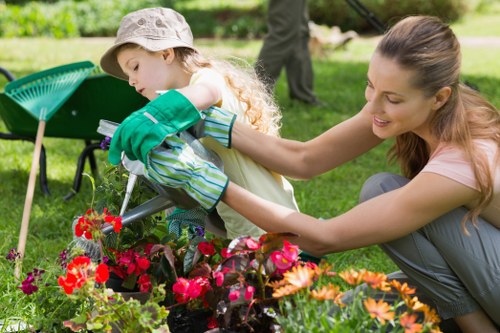 Tree Surgeons Fitzrovia is committed to carrying out arboricultural work in a way that reduces waste, supports local reuse, and keeps carbon impact as low as possible. In an area where every square metre matters, responsible handling of green waste is not just a preference; it is part of good urban stewardship. Our approach focuses on recycling tree waste, reusing suitable timber, and making sure that materials from pruning, reductions, and removals are directed into the most sustainable route available. We aim to recycle 90% of all organic arisings from site operations, with only a small proportion reserved for materials that cannot be recovered safely.
As part of our tree surgery sustainability efforts, we separate branches, trunks, logs, leaves, and chipped material wherever practical so each stream can be handled efficiently. In central London, borough-led waste systems often place strong emphasis on source separation, reduced contamination, and correct routing of mixed green waste. We align with that principle by sorting materials early and avoiding unnecessary disposal. This helps support cleaner recovery outcomes, whether the material is sent for composting, biomass, or specialist reuse.
Fitzrovia tree surgeons also work to minimise landfill dependency. Organic materials are kept in circulation through local recovery channels, and suitable timber is set aside for reuse where there is demand.  In a dense borough environment, this can mean responding to narrow access, limited storage, and varied collection requirements with careful planning. The result is a greener service that respects the character of the area while reducing waste footprint.
One of the main elements of our recycling and sustainability strategy is our partnership with local transfer stations and recovery facilities. These sites help ensure that arisings from tree work are directed quickly into the right processing stream, without long haul distances or avoidable fuel use. For Tree Surgeons Fitzrovia, proximity matters: shorter journeys reduce emissions and allow green waste to be consolidated more efficiently. Where possible, logs and woodchip are separated for different end uses, including mulching, landscape cover, and biomass feedstock.
We also recognise the value of charitable partnerships in extending the life of usable materials. Straight, seasoned timber may be donated or made available to charities and community projects where it can serve practical purposes, such as habitat features, seating, craft use, or small-scale landscaping. This helps create a second life for material that would otherwise be processed as waste. The same thinking applies to locally suitable arboricultural by-products, which can support nature-based schemes and educational green initiatives.
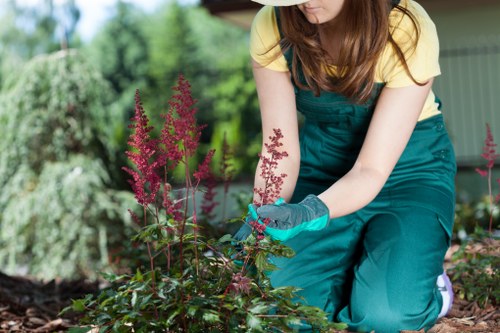 In central London, waste separation often has to account for borough-specific collection rules, restricted kerb space, and the need to keep recyclables uncontaminated. Tree surgeons in Fitzrovia therefore treat segregation as part of the work itself, not as an afterthought. Woodchip is kept distinct from timber sections where possible, and non-organic items such as packaging, straps, and consumables are removed from green waste streams before transfer. This helps improve recycling outcomes and supports cleaner processing at the next stage.
Our fleet plays a major role in making sustainable tree surgery possible. We use low-carbon vans designed to reduce fuel consumption and emissions on city journeys. In a place like Fitzrovia, where work often involves moving between short-distance sites, efficient vehicles can make a meaningful difference. Lower-emission transport supports cleaner air, quieter movement through residential streets, and reduced carbon output across the working day.
Tree Surgeons Fitzrovia also looks at route planning as part of sustainability. By grouping jobs sensibly and choosing the closest appropriate transfer station, we avoid unnecessary mileage and idling time. This is especially relevant in central boroughs where traffic conditions can create avoidable emissions if crews are not well coordinated. The same careful planning supports better handling of recyclable loads, because vans arrive prepared to offload into the correct bay or facility without delays.
At the heart of the service is a simple principle: every part of a tree should be considered for its best possible use. 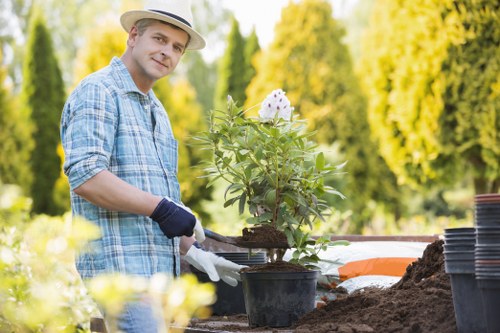 Branch wood can be chipped for mulch, trunks can become timber products or biomass, and leaf material can be composted where facilities allow. This approach reflects the wider sustainability culture found across London boroughs, where waste separation and recovery are increasingly important to long-term environmental goals. By following those standards closely, our work contributes to cleaner streets and more responsible arboricultural practice.
Fitzrovia’s urban setting also encourages a thoughtful approach to site cleanliness. Where pruning or dismantling is carried out near pavements, courtyards, and shared spaces, waste is collected promptly and sorted so that recycling remains efficient. Small details matter: keeping sacks free from contamination, separating metal fixings from timber, and ensuring that green waste does not become mixed with inert debris all help improve the final recycling rate. These habits support our tree recycling target and keep operations aligned with best practice.
We aim to make sustainability visible in the working process without compromising safety or tree care quality. That means choosing equipment and transport options that suit the city environment, favouring recovery over disposal, and maintaining strong relationships with the facilities and community organisations that help close the loop. Whether the job involves a single tree or a larger site clearance, the same environmental standards apply.
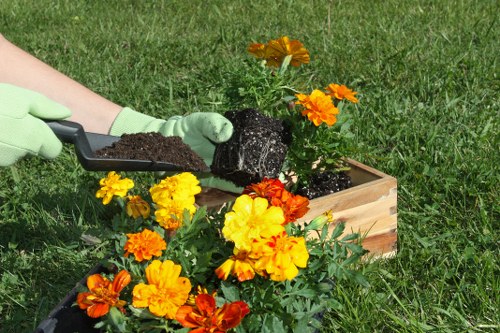 Tree Surgeons Fitzrovia remains focused on practical, measurable sustainability: high recovery rates, lower-carbon travel, and meaningful reuse through charities and local recycling routes. By combining careful waste separation, efficient transfer station use, and a modern low-emission fleet, we help ensure that arboricultural work in Fitzrovia contributes positively to the local environment rather than adding to its burdens. That is how responsible tree care should work in a busy London district.